How to Choose the Right Aerospace CNC Machining Partner for High-Tolerance Parts
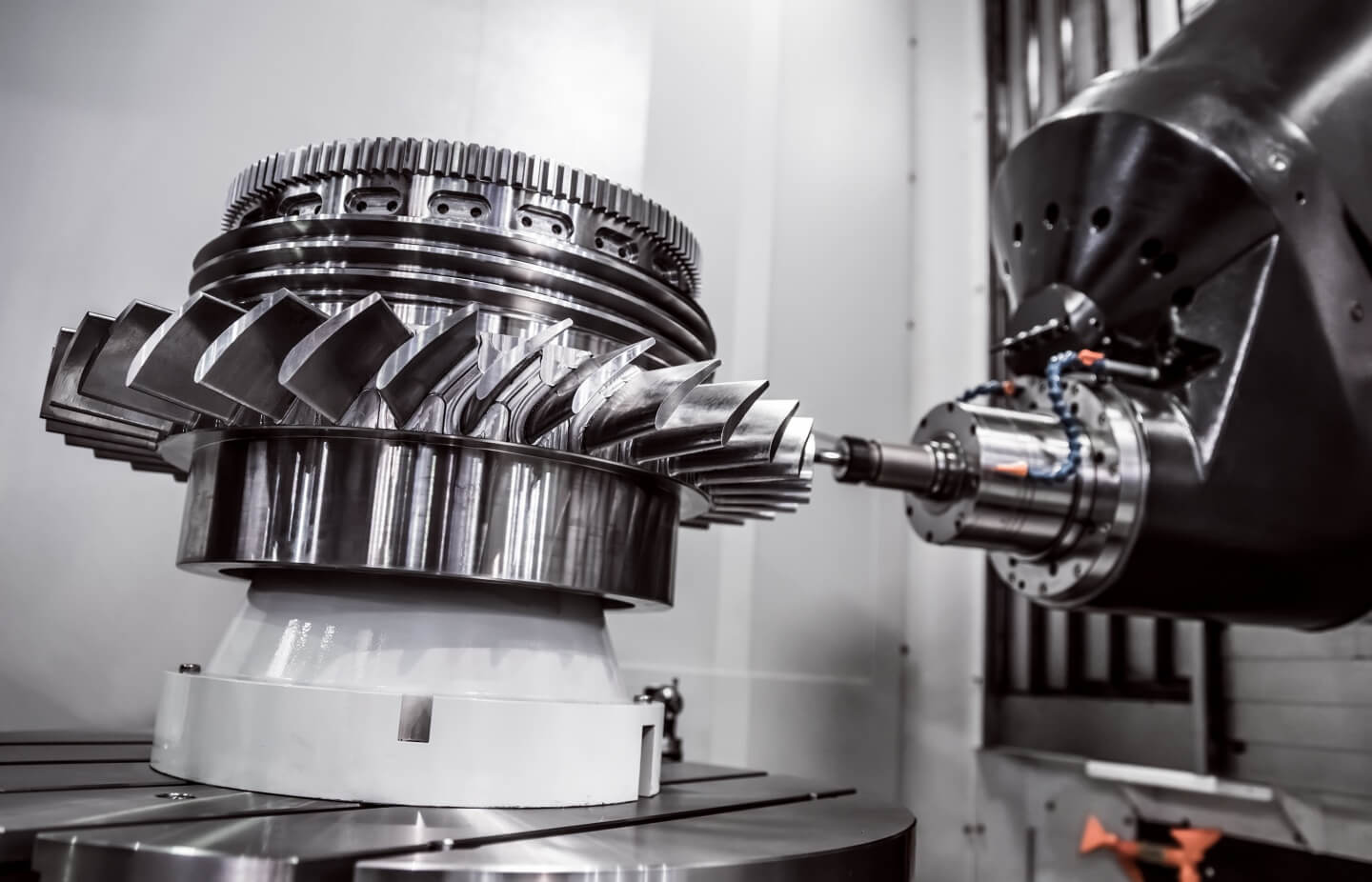
Aerospace programs depend on precision, documentation, and absolute reliability. When a component falls short, the consequences can reach far beyond a single part — affecting schedules, budgets, certifications, and safety expectations. That’s why selecting the right aerospace CNC machining partner is one of the most important decisions engineers and procurement teams make.
The challenge is that many machine shops advertise aerospace capability, but far fewer operate with the process control, inspection depth, and accountability the industry demands. Advanced materials, complex geometries, and strict customer requirements quickly expose gaps in experience.
A strong partner helps you reduce risk before chips are even cut. They bring structured quality control systems, proven manufacturing practices, and the ability to deliver consistent results from prototype through production. This guide explains what separates a qualified aerospace supplier from a general machining vendor and how to evaluate which one is right for your program.
What Makes Aerospace CNC Machining So Demanding?
Aerospace manufacturing operates in a category of its own. Parts must perform flawlessly in environments where failure is not an option, and every step of production is subject to scrutiny. Compared with general industrial machining, suppliers face higher expectations for verification, documentation, and process control. Success depends on delivering repeatable, validated results — not just making a part that looks correct.
Regulatory and Customer Oversight
Aerospace work is closely monitored by customers, auditors, and regulatory bodies. Manufacturers must be able to demonstrate how a component was produced, inspected, and verified. Clear records, controlled procedures, and accountability are part of daily operations, not occasional requirements.
Safety-Critical Applications
Many precision aerospace components support aircraft structures, propulsion systems, or other essential functions. Even small deviations can introduce serious risk. This reality drives a culture where prevention, validation, and consistency guide every machining decision.
Complex Geometries
Modern aircraft designs prioritize strength, weight reduction, and performance. That often results in intricate shapes, thin walls, and multi-surface features that require advanced programming and multi-axis capability. Achieving these forms reliably takes more than standard equipment — it requires experience and disciplined execution.
Advanced Materials
Aerospace manufacturers regularly work with demanding alloys such as titanium, Inconel, and specialized aluminum grades. These materials behave very differently from common metals. Heat control, cutting strategy, and tool management all play major roles in maintaining dimensional stability.
Documentation and Traceability
Every part must be traceable from incoming raw material to final shipment. Shops need systems that connect certifications, machining history, inspections, and personnel approvals. If a question arises months or years later, the data must be easily retrievable.
Expectations for Repeatable Outcomes
Producing one accurate part is not enough. Aerospace customers expect the same result across batches, schedule changes, and program lifecycles. Reliable processes, stable setups, and verification at multiple stages ensure consistent high performance over time.
Together, these demands explain why aerospace machining requires specialized infrastructure, experienced teams, and mature quality systems. It’s a level of responsibility well beyond conventional manufacturing — and it shapes how capable suppliers operate every day.
How to Choose an Aerospace Machining Partner
If you want to know how to choose an aerospace manufacturing partner, you must look beyond basic machining capability. Aerospace programs require partners who can demonstrate controlled processes, dependable verification, and the ability to support evolving production needs. Buyers and engineers should evaluate how a manufacturer manages compliance, maintains dimensional accuracy, and reduces risk throughout a part’s lifecycle.
A structured review makes it easier to compare vendors and identify who is truly prepared for aerospace work.
Compliance & Certifications
Formal quality systems create the foundation for aerospace accountability. They show that a shop operates with documented procedures, defined responsibilities, and audit discipline rather than informal practices. The following standards are essential in a good aerospace manufacturing partner:
- AS9100 CNC machining certification
- ISO 9001 alignment
- Document and revision control
- Material and process traceability
- Readiness for customer or regulatory audits
- Supply chain stability
Precision & Repeatability Capabilities
Reliable aerospace production depends on stable processes and consistent verification. Equipment matters, but so do programming methods, environmental control, and inspection strategy. Look for equipment capabilities like:
- 3-, 4-, and 5-axis (or even greater) CNC machining aerospace capacity
- Controlled machining environments
- In-process checks during production
- CMM and advanced metrology support
- Ability to maintain tolerances such as ±0.0005 in when required
Engineering Collaboration & DFM Support
Strong manufacturers often provide feedback long before production begins. Early engagement helps prevent costly redesigns, shorten timelines, and improve manufacturability while protecting performance requirements. This may include:
- Input during design and planning stages
- Geometry and feature optimization
- Suggestions that lower cost or cycle time
- Support with material and process decisions
- Clear communication with engineering teams
Material Expertise
Aerospace alloys demand specific knowledge and preparation. Experience with how materials respond to cutting forces and heat is critical to achieving stable results. You’ll want to look for experience with:
- Titanium
- Nickel-based superalloys such as Inconel
- Stainless steels
- Aerospace aluminum grades
- Proven tooling and process strategies
Production Scalability
Programs rarely stay the same size. A capable partner can ramp output, manage schedule changes, and maintain performance as demand grows. Look for companies that can:
- Smooth transition from prototype to repeat builds
- Assist with capacity planning
- Provide predictable lead times
- Offer stable supplier networks
Quality Assurance Systems
Risk management is built into everyday operations. Robust inspection and response procedures protect both the customer and the program. Quality assurance practices should include:
- First Article Inspection support
- Complete inspection documentation
- Non-conformance management
- Root cause and corrective action processes
Evaluating suppliers through these categories helps separate general machine shops from true aerospace CNC manufacturing partners. The goal is confidence: knowing the company you choose can deliver consistent, validated results every time.
Who Offers CNC Machining for Aerospace Applications?
While many machine shops promote aerospace capability, the suppliers best suited for this work are typically those operating as regulated manufacturing partners rather than build-to-print job shops. Aerospace programs often require companies that can manage controlled production environments, maintain validated processes over time, and support formal inspection and reporting requirements tied to customer approvals. As a result, qualified suppliers tend to function as long-term production resources — not just machining vendors engaged for individual part runs.
Characteristics of Qualified Aerospace Manufacturers
True aerospace suppliers invest heavily in systems that support accuracy, visibility, and control. Their infrastructure is designed to withstand audits, maintain consistency, and manage risk throughout a program’s life. When evaluating whether a supplier is structured for aerospace production, look for indicators such as:
- Aerospace-focused track record with quality management systems
- Demonstrated history supporting flight or defence programs
- Multi-axis machines
- Dedicated inspection and validation technology
- Culture built around process discipline
Types of Aerospace Components Typically Machined
These manufacturers commonly produce parts that demand reliability, traceability, and stable performance. Work often ranges from relatively simple hardware to complex geometries that require advanced programming. Typical aerospace machining projects may include:
- Structural brackets and supports
- Housings and protective enclosures
- Engine and propulsion-related components
- Interior aircraft hardware
- Precision assemblies and subcomponents
Experience Indicators to Look For
Past performance is often the clearest signal of future reliability. Suppliers with established aerospace backgrounds can typically demonstrate how they manage documentation, communication, and continuous improvement. Experience in this sector is often reflected through:
- Years of involvement in aerospace markets
- Long-term or repeat customers
- Mature, documented production practices
- Ongoing collaboration with customer engineering teams
Understanding these traits helps define what a genuine aerospace CNC machining partner looks like. The difference is not just capability — it’s the ability to deliver dependable results within one of the most highly regulated manufacturing environments.
Key Questions to Ask Before Selecting an Aerospace CNC Machining Partner
Early conversations can quickly reveal whether a supplier is prepared for aerospace expectations. Direct, practical questions help buyers and engineers confirm the presence of real systems, experienced people, and dependable processes. Think of this as a quick qualification filter before moving deeper into technical reviews or site visits.
- Are you AS9100 certified?
- What tolerance ranges can you maintain consistently in production?
- Which aerospace-grade materials do you machine most often?
- How do you maintain full traceability from raw material to shipment?
- Can you transition smoothly from prototype quantities to ongoing production?
- What inspection and measurement technologies do you use?
- How are non-conformances documented and resolved?
Clear answers should come quickly. If a supplier struggles to explain these fundamentals, it’s usually a sign that more investigation is needed before trusting them with flight-critical work.
Aerospace Manufacturing Frequently Asked Questions
Who offers tight-tolerance machining for aerospace parts?
Qualified Canadian aerospace CNC manufacturers equipped with advanced metrology, stable processes, and experienced teams. Consistency across runs matters as much as peak accuracy. Look for proven aerospace history and robust verification systems.
Can a CNC machine shop support both prototyping and full production?
Yes, if they have validated processes, capacity planning, and change management controls. The best partners design early work so it transfers smoothly into repeat manufacturing without surprises.
How early should design engineers involve a machining partner?
The earlier the better. Early collaboration allows adjustments that improve manufacturability, reduce risk, and shorten timelines while preserving design intent.
What aerospace materials are most challenging to machine?
High-temperature alloys and harder metals demand expertise in tool wear management, thermal control, and workholding strategy to maintain part stability.
Why is traceability critical in aerospace manufacturing?
Traceability connects every component to its material origin, process history, and inspection results. It supports compliance, simplifies audits, and protects programs in the event of issues.
Conclusion
Aerospace manufacturing leaves very little margin for uncertainty. The right aerospace precision CNC machining partner brings proven systems, experienced people, and disciplined processes that produce consistent, verifiable results. When suppliers operate with this level of control, programs run more smoothly, risks are reduced, and approvals become easier to manage.
At Macfab, we support aerospace customers with advanced multi-axis capability, deep experience in aerospace-grade materials machining, and mature quality practices built for accountability. If you’re evaluating options for an upcoming project, our team would be happy to review your requirements and discuss how we can help advance your program. Reach out anytime for a conversation or to request a quote.
